

28
Aug
Water Damage Restoration in Fort Myers: What To Do After Water Damage
Water damage can turn a normal day into a stressful mess in no time. One leaking appliance, one burst pipe, one roof problem, or one storm-related flood can leave you with soaked floors, damaged walls, and moisture that keeps spreading long after the first signs appear. What starts as a small issue can become a much bigger repair if it is not handled quickly and correctly.
At 911 Restoration of Fort Myers, we know how overwhelming that moment feels. You see the damage, you start thinking about the cost, and you wonder how much worse it might get if you do not act fast. That is exactly why water damage restoration matters. It is not just about cleaning up what you can see. It is about fully drying the property, protecting the structure, reducing the risk of mold, and helping your home or business get back to normal with confidence.
If you need water damage restoration in Fort Myers, here is what you should know and what to do next.
Why Water Damage Restoration Matters
A lot of people think water damage is just about removing standing water and drying off the surface. The truth is that water usually goes much deeper than that. It seeps into drywall, flooring, baseboards, insulation, and framing. Even when a room starts to look dry again, moisture can still be trapped behind walls and under floors.
That hidden moisture is what creates bigger problems. Floors can warp. Drywall can weaken. Paint can bubble. Odors can settle in. Structural materials can continue breaking down even after the obvious mess is gone. If the property is not dried thoroughly, mold can start growing and turn one restoration issue into another.
That is why professional water damage restoration is so important. It addresses the visible damage and the moisture you cannot see. It helps stop the damage from spreading and gives the property a better chance of a full recovery.
Common Causes of Water Damage in Fort Myers
In Fort Myers, water damage can happen in several ways. Heavy rain and storms are a major issue. Water intrusion can happen fast during severe weather, especially when roofs, windows, or exterior weak points let water inside. Storm season can create sudden flooding and leave property owners dealing with damage they did not see coming.
Plumbing problems are another common cause. Pipes can burst, crack, or loosen behind walls and under sinks. Water heaters can leak. Toilets, tubs, and sinks can overflow. Sometimes the issue is obvious right away. Other times, it starts with a small leak that quietly keeps feeding moisture into the structure until the damage becomes much harder to ignore.
Appliances can also cause major trouble. Washing machines, dishwashers, and refrigerators can all leak enough water to damage nearby flooring, cabinetry, and walls. Roof leaks are another common issue, especially when water enters slowly and goes unnoticed until stains, odors, or soft materials appear.
No matter how it starts, water damage should never be brushed off as something minor. Small problems have a way of becoming expensive ones when they are left alone.
Signs You May Need Water Damage Restoration
Sometimes the signs of water damage are obvious. Other times, they show up quietly and get worse over time. Knowing what to look for can help you act before the damage spreads further.
Water stains on walls or ceilings are one of the clearest warning signs. Brown, yellow, or dark discoloration usually points to moisture where it does not belong. You may also notice paint bubbling, peeling, or cracking.
Flooring often changes when water gets underneath it. Hardwood can cup or buckle. Laminates can lift. The tile can loosen. The carpet may stay damp longer than it should. Baseboards can swell or separate from the wall.
Musty odors are another red flag. If a room smells damp, stale, or off, hidden moisture could be trapped behind the surfaces. In some cases, visible mold may begin forming in corners, around vents, or near damp materials.
An unexpected spike in your water bill can also indicate a hidden leak somewhere on the property. Even if you are not seeing standing water, recurring dampness, or unexplained odors are enough reason to take a closer look.
What To Do Right Away After Water Damage
When water damage happens, the first few steps matter. Acting quickly can help protect your property and reduce how far the damage spreads.
Start with safety. If water is near electrical outlets, appliances, or cords, stay out of the area until it is safe. If the ceiling is sagging, the floor feels unstable, or there are signs of major structural damage, do not take risks. Keep children and pets away from the affected area as well.
If you can do so safely, stop the water source. Shut off the main water supply if a pipe has burst. Turn off a leaking appliance if that is where the problem started. Quick action here can help limit the damage.
Next, document everything. Take photos and videos of the affected floors, walls, furniture, and belongings. This helps create an insurance record and provides a clear picture of the damage before major cleanup begins.
If it is safe to do so, move valuables out of the wet area. Electronics, papers, rugs, and loose items should be moved to a dry space. Lifting furniture off wet flooring can also help reduce additional damage.
Then call for professional help as soon as possible. Fast extraction, drying, and moisture detection can make a major difference in the amount of damage the property suffers in the long run.
What Water Damage Restoration in Fort Myers Typically Includes
Water damage restoration is a full process, not a one-step cleanup job. The goal is to remove the water, thoroughly dry the property, address any sanitation concerns, and restore damaged areas properly.
The first step is to inspect and detect moisture. We identify where the water came from, how far it spread, and where hidden moisture may still be sitting. This part is critical because the visible damage is often only part of the story.
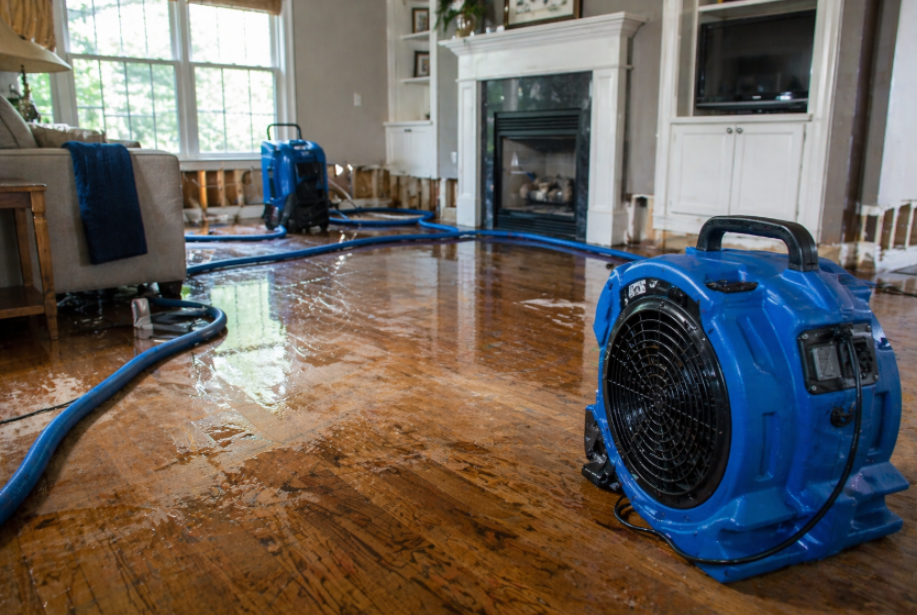
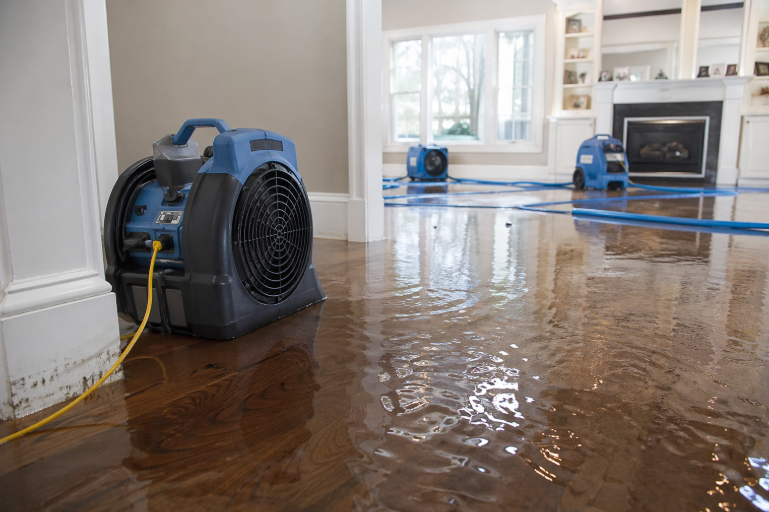
Next comes water extraction. Standing water needs to be removed quickly to reduce further spread and protect the surrounding materials. After that, drying and dehumidification begin. This stage helps pull moisture out of walls, flooring, framing, and the air itself. Surfaces may appear dry before the deeper materials actually are, which is why proper equipment and monitoring matter.
Cleaning and sanitizing may also be needed depending on the source of the water and the condition of the affected areas. Odors, residue, and unsafe materials need to be addressed carefully.
Once the property is dry and stable, repairs and restoration can begin. That may include replacing drywall, trim, flooring, or other materials that were too damaged to save. The goal is to restore the property to a safe, dry, comfortable condition.
Why Fast Drying Helps Prevent Bigger Problems
Water damage does not pause while you figure out what to do next. Moisture starts soaking into surrounding materials right away, and the longer it stays there, the more damage it can cause.
Fast drying helps reduce warping, swelling, and breakdown in structural materials. It can also lower the risk of odors becoming more stubborn and prevent moisture from staying trapped in the parts of the property you cannot easily inspect.
One of the biggest reasons fast drying matters is mold. Mold can begin growing within 24 to 48 hours when moisture is left behind. That means a delay of even a day or two can create a second problem that adds more cleanup, more damage, and more cost.
Quick, professional drying helps give the property the best chance of avoiding those added complications. It is one of the most important parts of a strong restoration response.
Can Water Damage Result Mold Growth?
Yes, and that is one of the main reasons water damage should never be taken lightly.
Mold thrives in damp conditions. If water sits behind walls, under flooring, or within porous materials, mold can spread faster than many people realize. You may not always see it at first, but you might notice a musty smell, discoloration, or signs of dampness that do not go away.
Even a small leak can create the right conditions for mold growth in Fort Myers if left untreated. That is why full drying matters so much. Removing visible water is only the beginning. The hidden moisture has to be found and addressed as well.
When water damage is handled correctly, the chances of mold growth go down. When it is rushed or incomplete, the property can continue to deal with the consequences long after the floor appears dry.
Water Damage Restoration for Homes and Businesses in Fort Myers
Water damage can affect both residential and commercial properties, but the urgency is the same either way.
For homeowners, the concern is often about protecting living spaces, flooring, furniture, keepsakes, and the property’s overall comfort. Water damage can disrupt everyday life fast, especially when the affected area is a kitchen, bathroom, bedroom, or main living space.
For business owners, there is often added pressure. Every hour of downtime can affect employees, customers, productivity, and revenue. Water damage in an office, retail space, or other commercial property can quickly become an operational headache if restoration is not begun promptly.
That is why fast local response matters. Whether the damage is in a home or a business, the right restoration team can help reduce disruption, stabilize the property, and move the recovery process forward sooner.
Why DIY Drying Often Falls Short
We understand the instinct to jump in and start cleaning things up yourself. Towels, fans, and a wet vacuum might help with the surface water, and in the moment, that can feel like the right move.
The problem is that surface drying is not the same as full drying. Water often gets into places that household tools cannot properly reach. It can sit under flooring, behind walls, and within structural materials long after a room looks normal again.
That is why DIY drying often misses the real issue. A property may appear dry while hidden moisture continues to cause damage beneath the surface. Incomplete drying can lead to odors, material breakdown, and mold growth.
Taking quick steps on your own can still help. Stopping the water source, moving valuables, and documenting the damage are all smart moves. Full water damage restoration, though, usually takes professional equipment and a much deeper process than most people can handle alone.
How To Choose the Right Water Damage Restoration Company in Fort Myers
When you need help fast, you want a team that shows up ready to do more than just remove visible water. You want professionals who understand the full restoration process and can help you feel more in control of the situation.
Look for a company that offers 24/7 emergency response and can arrive quickly. Ask whether they handle extraction, drying, moisture detection, sanitizing, and repairs. Make sure they serve Fort Myers and the surrounding area. Read reviews and pay attention to whether the company communicates clearly and professionally.
In an emergency, the right company should make the process feel easier to understand, not more confusing. You should know what is happening, what comes next, and what is being done to protect your property.
At 911 Restoration of Fort Myers, we believe that clear communication matters just as much as quick action. When your property has been turned upside down, you need a team that knows how to respond and how to guide you through the next steps with confidence.
Call for Water Damage Restoration in Fort Myers
Water damage rarely gets better on its own. It spreads, settles in, and creates bigger problems if left untreated. The sooner restoration begins, the better the chances of reducing long-term damage and protecting the property from issues like mold and structural breakdown.
If you need water damage restoration in Fort Myers, do not wait for the situation to get worse. Fast extraction, drying, and restoration can make all the difference in how smoothly your property recovers.
Contact 911 Restoration of Fort Myers today and let us help you take control of the damage, protect your space, and move toward your Fresh Start.
Frequently Asked Questions
What is water damage restoration?
Water damage restoration is the process of inspecting the damage, removing standing water, drying the property, reducing moisture in the air and materials, cleaning affected areas, and repairing damage as needed to restore the property.
How quickly should water damage restoration begin?
As soon as possible. Fast action helps reduce structural damage, lower the risk of mold growth, and keep repair costs from rising.
Can water damage restoration help after storm flooding?
Yes. Storm-related flooding and water intrusion often require professional extraction, drying, and restoration to fully protect the property.
Is water removal the same as water damage restoration?
No. Water removal is one step in the process. Full restoration also includes moisture detection, drying, cleanup, and repairs where needed.
Can a small leak require water damage restoration?
Yes. Even slow or hidden leaks can cause serious damage over time, especially when moisture spreads into walls, flooring, and structural materials.
Can businesses in Fort Myers need water damage restoration too?
Yes. Commercial properties often require rapid restoration to minimize downtime, protect operations, and return the space to normal as quickly as possible.
Latest Posts
Contact Us
For Advice
Need help? Talk to an expert
(239) 322-1217